
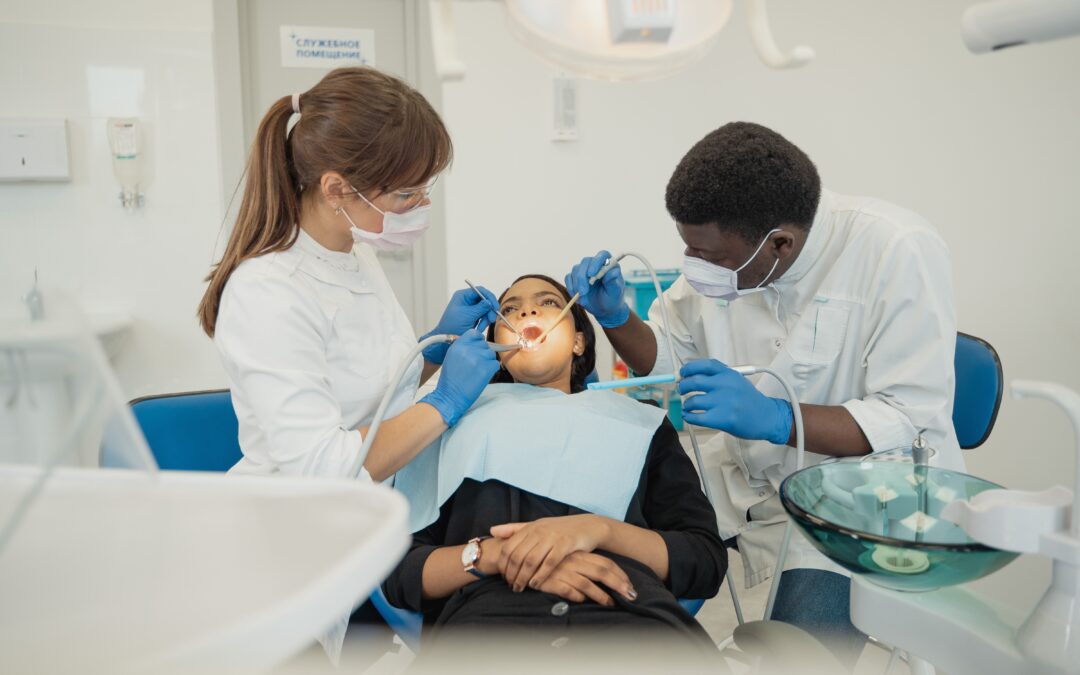
Experiencing a sudden toothache, chipped tooth, broken filling, or swelling in your gums? If you are searching for an emergency dentist in Collingwood, Ontario, Collingwood Family Dental is here to help you understand your symptoms and determine the next steps toward relief. Dr. Vlad and our dental team can help assess unexpected dental concerns, explain your treatment options, and guide you toward appropriate care.
Dental emergencies can happen at any time. Whether you have a broken tooth, a filling that has fallen out, a loose dental crown, or pain that will not go away, seeking timely dental attention can help prevent further damage and protect your oral health.
When Should You See an Emergency Dentist in Collingwood?
Some dental problems can wait for a routine appointment, while others require urgent attention. Contact a dentist promptly if you experience:
- Severe or persistent tooth pain or a toothache
- A chipped, cracked, or broken tooth
- A filling that has fallen out
- A dental crown or bridge that has come loose or fallen off
- Swelling in your gums, face, or jaw
- Signs of a dental infection, such as pus or a persistent unpleasant taste ● Sudden or worsening tooth sensitivity
- Painful, swollen, or bleeding gums
- A loose or displaced tooth following an injury
- A broken or detached lingual wire behind your teeth
- Bleeding or discomfort following dental trauma
If you are unsure whether your symptoms are a dental emergency, contacting a dental office is a good first step. Dr. Vlad and the team at Collingwood Family Dental can help you understand your options and determine the appropriate next steps.
Chipped or Broken Tooth: What Should You Do?
A chipped or broken tooth is one of the common reasons people search for an emergency dentist in Collingwood. Teeth can fracture when biting something hard, playing sports, falling, or experiencing an accident.
Even if a broken tooth does not hurt, the damage may expose the inner layers of the tooth or create an entry point for bacteria. A larger fracture can cause significant pain or affect the tooth’s nerve.
If you chip or break a tooth:
- Rinse your mouth gently with warm water.
- Save any broken pieces, if possible.
- Apply a cold compress to the outside of your cheek if swelling develops. ● Avoid chewing on the affected side.
- Contact your dentist to determine how quickly the tooth needs treatment.
Depending on the extent of the damage, Dr. Vlad may recommend smoothing a minor chip, repairing the tooth with bonding or a filling, restoring it with a dental crown, or considering root canal treatment if the nerve is affected.
Tooth Pain and Toothaches
Are you searching for a dentist in Collingwood because of a sudden toothache or persistent tooth pain? Dental pain can have several causes, including tooth decay, a cracked tooth, a damaged filling, gum disease, or an infection affecting the tooth’s nerve.
Symptoms can include sharp pain when biting, throbbing discomfort, pain that wakes you at night, or pain that comes and goes. Even if the pain temporarily disappears, the underlying problem may still be present.
Dr. Vlad can assess your symptoms and help identify the cause of your tooth pain. Depending on the diagnosis, treatment may involve a filling, a crown, root canal treatment, treatment for gum disease, or another appropriate procedure.
Do not ignore severe, persistent, or worsening tooth pain, particularly if it is accompanied by swelling, fever, or other signs of infection.
Tooth Sensitivity to Hot, Cold, or Sweet Foods
Sudden tooth sensitivity can make drinking cold water, enjoying hot coffee, or eating sweet foods uncomfortable. Sensitivity may result from exposed tooth roots, worn enamel, gum recession, tooth decay, a cracked tooth, or a damaged filling.
Mild, brief sensitivity does not always indicate an emergency. However, sensitivity that develops suddenly, persists after exposure to hot or cold temperatures, or affects one particular tooth should be assessed by a dentist.
If you are looking for a dentist in Collingwood because of new or worsening tooth sensitivity, Collingwood Family Dental can help determine the cause and recommend appropriate treatment.
Filling Fell Out? Have Your Tooth Examined
A dental filling can fall out because of normal wear, damage to the filling, or further decay affecting the tooth. When this happens, the exposed area may become sensitive or uncomfortable, and the tooth may be more vulnerable to additional damage.
If your filling has fallen out:
- Keep the area clean by gently brushing and rinsing.
- Avoid hard or sticky foods.
- Limit very hot or cold foods and drinks if they cause discomfort.
- Chew on the opposite side of your mouth when possible.
- Arrange a dental appointment promptly.
A lost filling does not always require immediate emergency treatment, but it should not be left untreated indefinitely. Dr. Vlad can examine the tooth and determine whether a replacement filling or a more protective restoration is needed.
Dental Crown Fell Off or Came Loose
If your dental crown falls off, the underlying tooth may become sensitive or vulnerable to fracture, especially if the crown was protecting a heavily restored tooth.
If you still have the crown, keep it in a safe container and bring it to your appointment. Avoid chewing on the exposed tooth, and do not use household glue or other adhesives to reattach the crown.
Contact Collingwood Family Dental for advice on the next steps. Depending on the condition of the crown and the underlying tooth, Dr. Vlad may recommend recementing the existing crown or replacing it.
If you experience significant pain, swelling, or signs of infection, seek urgent dental assessment. Painful or Swollen Gums
Gum pain can develop for several reasons, including food trapped between teeth, irritation, gum disease, injury, or infection. You may notice redness, tenderness, bleeding, swelling, or discomfort when chewing.
Localized irritation may improve with gentle brushing and careful flossing. However, persistent gum pain, swelling around a particular tooth, or a pimple-like bump on the gums should be assessed by a dentist.
Swollen gums accompanied by tooth pain may indicate a dental abscess or another infection. These conditions require prompt professional assessment rather than simply waiting for the swelling to disappear.
If your gums are painful, swollen, or bleeding unexpectedly, Dr. Vlad can help determine the cause and recommend appropriate care.
Dental Infections, Abscesses, and Facial Swelling
A dental infection can develop when bacteria enter the inner portion of a tooth or the surrounding tissues. Symptoms may include severe toothache, swollen gums, facial swelling, pus, a persistent unpleasant taste, fever, or pain when biting.
A dental abscess will not reliably resolve on its own. Depending on the cause, treatment may involve draining the infection, root canal treatment, extraction, or other appropriate care. Antibiotics may be necessary in certain situations, but they do not replace treatment of the underlying dental problem.
If you suspect a dental infection, contact a dentist for urgent assessment. Delaying treatment can allow the infection to spread.
Important: Significant or rapidly spreading swelling, difficulty breathing or swallowing, or swelling that affects the neck or area around the eye requires emergency medical assessment. Call 911 or go to an emergency department if breathing or swallowing is affected.
Broken or Loose Lingual Wire Behind Your Teeth
Lingual wires are commonly bonded behind the teeth to maintain alignment following orthodontic treatment. If your lingual wire breaks, detaches from a tooth, or begins poking your tongue, it can cause irritation and may allow teeth to shift.
If your lingual wire is loose or broken:
- Avoid pulling or bending the wire.
- Do not attempt to glue it back in place.
- Use orthodontic wax over a sharp end if available and appropriate.
- Contact your dentist or orthodontist for advice and repair.
A detached wire is not always a medical emergency, but it should be addressed promptly, particularly if it is causing injury or no longer holds your teeth in position.
What If You Have a Dental Emergency After Hours?
Toothaches, broken teeth, and other dental problems do not always happen during regular office hours. If you develop symptoms after hours, consider their severity and seek appropriate guidance.
For a minor chip without pain, a lost filling without significant discomfort, or mild sensitivity, it may be reasonable to arrange the next available dental appointment. Severe pain, increasing swelling, uncontrolled bleeding, or suspected infection should be assessed more urgently.
If you are unsure how quickly you need to be seen, contact a dental professional for guidance. If you experience difficulty breathing or swallowing, seek emergency medical care immediately.
For patients looking for an emergency dentist in Collingwood, Collingwood Family Dental can advise on appointment availability and the appropriate next steps for dental concerns.
Emergency Dental Care at Collingwood Family Dental
Unexpected dental problems can be painful, stressful, and disruptive to your daily life. Knowing where to turn can help you get the advice and care you need.
At Collingwood Family Dental, Dr. Vlad and our dental team understand that toothaches, chipped teeth, broken fillings, loose crowns, gum pain, and other unexpected dental concerns can be worrying. We aim to help patients understand their symptoms, explore suitable treatment options, and make informed decisions about their oral health.
Whether you have a chipped tooth, a crown that has fallen off, new tooth sensitivity, swollen gums, or symptoms that may indicate an infection, we encourage you to contact our office to discuss your concerns and appointment availability.
Located at 1 Huron Street in Collingwood, Ontario, Collingwood Family Dental welcomes patients seeking dental care for a range of oral health concerns.
If you are searching online for an emergency dentist in Collingwood, ON, contact Collingwood Family Dental to discuss your symptoms and find out what appointment options may be available.
Frequently Asked Questions About Emergency Dentistry
Can I see a dentist in Collingwood for a chipped tooth?
Yes. A dentist can assess the extent of a chipped tooth and recommend appropriate treatment. Even small chips should be checked if they cause sensitivity, pain, or sharp edges.
Is a broken tooth always a dental emergency?
Not every broken tooth requires immediate emergency treatment, but all fractures should be assessed. Severe pain, a large break, visible inner tooth tissue, or swelling increases the urgency.
What should I do if my filling falls out?
Keep the tooth clean, avoid chewing on that side, and arrange a dental appointment. Seek more urgent care if you experience severe pain, swelling, or signs of infection.
Should I see a dentist for swollen gums?
Persistent, painful, or localized gum swelling should be assessed, particularly when accompanied by tooth pain, pus, fever, or an unpleasant taste. Rapidly spreading facial swelling requires urgent attention.
Can a dental infection go away without treatment?
A dental infection may temporarily become less painful, but this does not necessarily mean it has resolved. Professional assessment is important to treat the underlying cause and reduce the risk of complications.
What if my dental crown falls off?
Keep the crown safe, avoid chewing on the exposed tooth, and contact your dentist. Do not use household glue to reattach it.
How do I know if my tooth pain is an emergency?
Severe or worsening pain, pain accompanied by swelling or fever, and symptoms suggesting an infection warrant urgent assessment. Difficulty breathing or swallowing requires emergency medical care.
Who should I contact for an emergency dentist in Collingwood?
Contact Collingwood Family Dental to discuss your symptoms and ask about appointment availability with Dr. Vlad and the dental team.
Need a Dentist in Collingwood for an Urgent Dental Problem?
If you have a toothache, chipped or broken tooth, lost filling, loose crown, gum pain, swelling, or another unexpected dental concern, contact Collingwood Family Dental to discuss your symptoms and appointment availability.
Getting the right advice early can help protect your teeth, relieve discomfort, and prevent a manageable dental problem from becoming more serious.